You’ve already brought new life into the world—now it’s time to bring new life back to your hair, too.
Key Takeaways:
- Postpartum hair loss is completely normal and temporary. Your body just needs time and nourishment to recover.
- According to the American Academy of Dermatology, postpartum shedding usually peaks around four months after giving birth.
- A 2021 review by Saini and Mysore found that vitamin D affects the hair growth cycle and follicle renewal.
After giving birth, many moms notice something unexpected: their once-thick and shiny hair suddenly starts falling out in clumps. Postpartum hair fall is a common experience for new mothers. While it’s usually temporary, it can still affect your confidence, especially during such a physically and emotionally demanding time.
The good news? You can help your hair recover faster by nourishing it from within. The best way to support this is by getting the right vitamins for hair growth, minerals, and nutrients that restore your body’s balance and encourage stronger, healthier regrowth.
Let’s explore the essential nutrients every mom needs for healthy, beautiful hair after childbirth.
Why Hair Falls After Giving Birth
Pregnancy floods your body with hormones that support hair growth. Estrogen levels rise, extending your hair’s growth phase so your strands stay thick and full. But once you give birth, your hormones drop back to normal. This sudden shift causes more hairs to enter the shedding phase all at once—a process called telogen effluvium.
According to the American Academy of Dermatology, postpartum shedding usually peaks around four months after giving birth. Combine that with blood loss during childbirth, lack of sleep, and nutritional depletion from breastfeeding, and your hair’s growth cycle takes a hit.
While you can’t completely stop postpartum hair loss, you can definitely help your body recover by focusing on nutrient-rich meals, hydration, rest, and gentle hair care. Using a mild, nourishing product like a straightening hair shampoo can also help manage postpartum frizz and protect against breakage while your hair grows back.

What Vitamins are Good for Hair Growth?
The right nutrients can help your hair bounce back. Here are seven of the best vitamins for postpartum hair growth to help you recover your strength and shine from the inside out.
1. Iron
Iron is one of the most essential vitamins for hair growth. It helps deliver oxygen to your hair follicles through red blood cells. Low iron levels—common after childbirth—can lead to dull, brittle hair or even worsen hair loss.
Postpartum moms are particularly prone to low iron because of blood loss during delivery and the nutritional demands of breastfeeding.
Iron-rich foods to include:
- Lean red meat, liver, and chicken
- Malunggay (moringa leaves)
- Spinach and kangkong
- Legumes like munggo and lentils
- Iron-fortified cereals or supplements (better to consult your obstetrician-gynecologist first)
Tip: Pair iron-rich foods with Vitamin C sources (like calamansi, oranges, or tomatoes) to enhance absorption.
2. Zinc
Zinc plays a vital role in hair tissue growth and repair. It also helps keep the oil glands around your follicles working properly. When zinc levels drop, hair thinning, dryness, and scalp flaking can follow.
Since zinc is also lost through breast milk, new mothers often need more of it. Good food sources of zinc:
- Shellfish like tahong (mussels) and talaba (oysters)
- Eggs and dairy
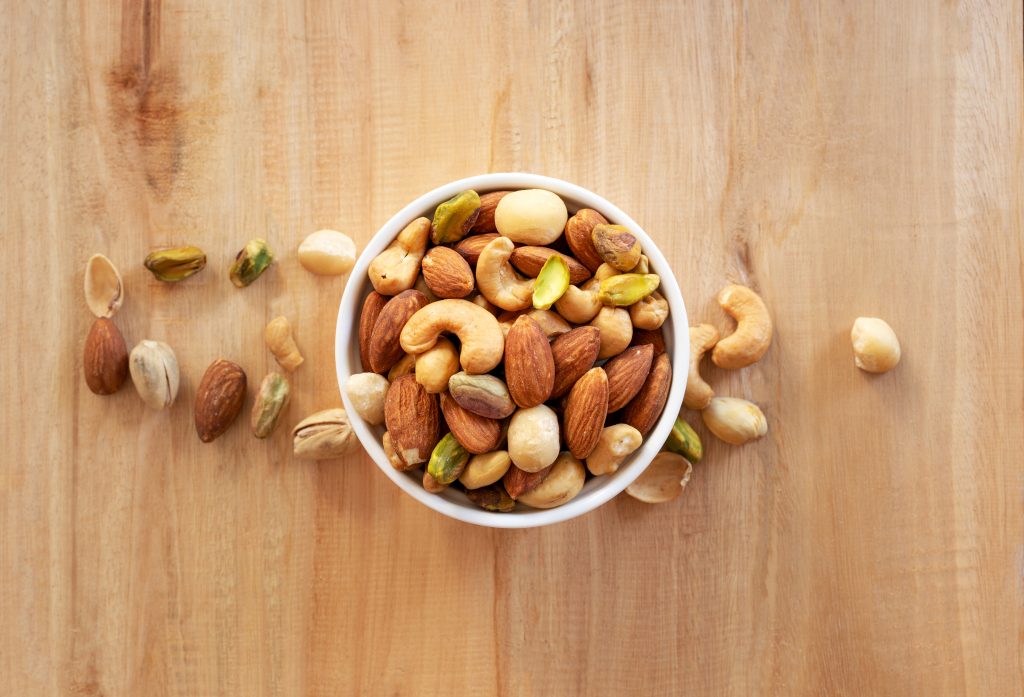
- Pumpkin seeds, cashews, and almonds
- Whole grains and fortified cereals
If you’re not getting enough from your diet, a supplement can help, but always consult your doctor first.
3. Vitamin D
Vitamin D is known for supporting bone health, but did you know it’s also linked to hair follicle health? According to Saini and Mysore (2021), vitamin D may influence hair growth and follicle health.
New moms often spend more time indoors, meaning less sun exposure and lower vitamin D levels. This can slow down postpartum hair recovery.
Here are some ways to boost your vitamin D:
- Get 10 to 20 minutes of morning sunlight a few times a week
- Eat fatty fish like salmon, sardines, or bangus
- Include egg yolks and fortified milk
- Take a vitamin D supplement if prescribed
Vitamin D works hand-in-hand with calcium and protein, so make sure you’re getting enough of those, too.
4. Protein
Hair is mostly made up of a protein called keratin. Without enough dietary protein, your body can’t build or repair hair strands, leading to slower regrowth and breakage.
Because breastfeeding and postpartum recovery increase your body’s protein needs, adding more protein to your diet can make a noticeable difference.
Examples of protein-rich foods:
- Eggs (a great source of biotin)
- Chicken, fish, tofu, and beans
- Dairy, like milk and yogurt
- Malunggay-based dishes—moringa leaves are high in amino acids
You can combine plant-based protein sources to meet your daily needs if you’re vegetarian or vegan. Aim for a balanced plate that includes both protein and complex carbs for steady energy.
5. Biotin
You’ve probably heard of biotin from hair growth supplements. It’s one of the best vitamins for hair growth, supporting keratin production and improving hair’s elasticity and shine.
Biotin deficiency is rare but can occur after pregnancy or with poor nutrition. When levels drop, you may notice brittle nails, dull skin, or thinning hair.
Biotin-rich foods to try:
- Eggs (especially the yolk)
- Nuts and seeds
- Sweet potatoes
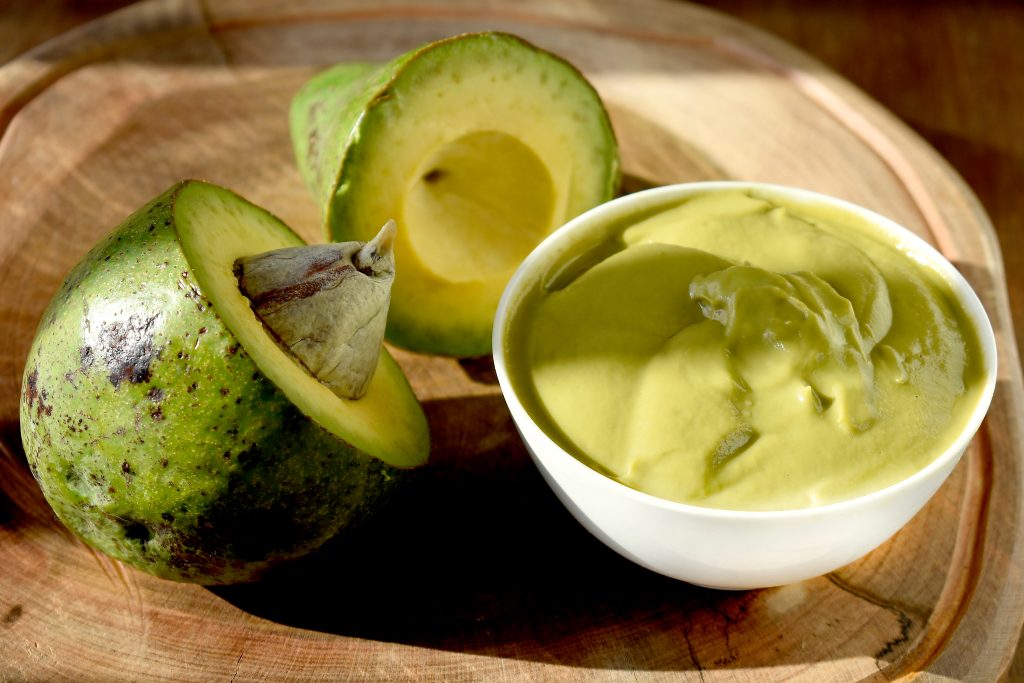
- Avocados
- Whole grains
Before starting any biotin supplement, it’s best to discuss dosage with your doctor, especially if you’re breastfeeding.
6. Vitamin E
Postpartum stress and hormonal imbalance can make your hair more prone to oxidative damage. That’s where Vitamin E comes in. As a powerful antioxidant, it protects your scalp and improves blood circulation, ensuring nutrients reach your follicles efficiently.
Sources of vitamin E:
- Sunflower seeds and almonds
- Spinach and broccoli
- Olive and moringa oils
You can also apply Vitamin E topically using herbal-infused hair oils or gentle conditioners that help lock in moisture.
7. Omega-3 Fatty Acids
Omega-3s help hydrate the scalp, reduce inflammation, and encourage stronger, shinier strands. These healthy fats are also important for postpartum mental health and may help manage mood changes or mild depression.
If you’re feeling down or overwhelmed, learning about what postpartum depression is can help you understand when to seek support.
Omega-3-rich foods include:
- Bangus, tuna, and salmon
- Flaxseeds and chia seeds
- Walnuts and soybeans
Your doctor may recommend an omega-3 supplement if fish isn’t part of your diet.
Sample Postpartum Meal Plan for Hair Recovery
Small changes in your diet can go a long way toward supporting natural postpartum hair growth. Here’s a quick example of how you can incorporate these nutrients into your daily diet:
| Time | Meal | Nutrients Focus |
| Breakfast | Oatmeal with malunggay flakes, banana, and chia seeds | Iron, zinc, omega-3, biotin |
| Morning Snack | Yogurt with almonds | Protein, vitamin E, zinc |
| Lunch | Grilled bangus with brown rice and steamed spinach | Protein, iron, vitamin D |
| Afternoon Snack | Fruit smoothie with avocado and milk | Biotin, healthy fats |
| Dinner | Chicken tinola with malunggay leaves | Protein, iron, zinc |
| Before Bed | Warm milk or fortified soy drink | Vitamin D, calcium |
A Holistic Approach to Postpartum Hair Recovery
While nutrition is the foundation, it’s not the only factor. Holistic recovery means caring for both your body and mind. Here are a few lifestyle habits to pair with your nutrient-rich diet:
Prioritize Rest and Stress Management
Lack of sleep and chronic stress can throw your hormones further off balance. Try short naps when your baby sleeps, deep breathing exercises, or light stretching. Even a few minutes of quiet time can help your body recover faster.
Be Gentle with Your Hair
Avoid harsh treatments or tight hairstyles that tug at your fragile strands. Choose a herbal shampoo that’s mild and nourishing, like Moringa-O2 Herbal Shampoo. It gently cleanses your scalp while infusing it with antioxidants from moringa, olive, and sunflower oils.
If you often use heat tools, try products with argan oil to help minimize frizz and protect against dryness.

Massage Your Scalp
A simple 5-minute scalp massage increases blood flow and encourages healthy regrowth. You can use a few drops of herbal hair oil to nourish your roots, massaging it in gently in circular motions.
Try Herbal and Home Remedies
Natural remedies can complement your internal nutrition. Exploring hair fall home remedies that use moringa, aloe vera, and other plant-based ingredients can support healthier, thicker hair.
When to Seek Professional Help
If your hair loss persists for more than a year, or if you notice bald patches or scalp irritation, consult a dermatologist. Sometimes, prolonged shedding could be linked to thyroid imbalances or severe nutrient deficiencies.
Remember: postpartum recovery is different for every woman. Be kind to yourself as your body heals.
Refresh Your Postpartum Hair Care Routine
Postpartum hair shedding may feel frustrating, but remember, it’s your body’s natural way of recalibrating. With the proper nutrients, lifestyle habits, and gentle scalp care, you can bring your hair back to its full, healthy glory.
Feed your body with the essential vitamins for hair growth, load up on whole foods, and give your hair the TLC it deserves using herbal, nourishing products like Moringa-O2 Herbal Shampoo.
Moringa-O2 products are specially formulated to be gentle yet effective. This is perfect for new moms dealing with hair fall, dryness, or scalp sensitivity. They cleanse without stripping your hair’s natural oils, making them safe for daily use.
Because when you care for your hair inside and out, you’re growing your confidence again, one healthy strand at a time.
FAQs About Postpartum Hair Growth
1. Why does postpartum hair fall seem worse when I brush or shower?
Because more hairs are entering the shedding phase at the same time, you’ll notice them fall out in larger clumps, especially during brushing or washing. It’s normal, and it doesn’t mean you’re going bald.
2. How long does postpartum hair loss last?
Usually around 4 to 6 months, but it can take up to a year for your hair to fully recover, depending on your health and stress levels.
3. Will taking vitamins alone stop hair fall?
Vitamins can support healthy regrowth, but they work best with a holistic routine—proper nutrition, hydration, stress management, and gentle scalp care using herbal products like Moringa-O2 Herbal Shampoo. Talk to your OB-GYN before taking any new supplement to ensure it’s safe for you and your baby.
4. Can I use hair growth oils while breastfeeding?
Yes. Gentle, herbal-based oils like moringa or argan are generally safe. Avoid products with harsh chemicals or strong synthetic fragrances.