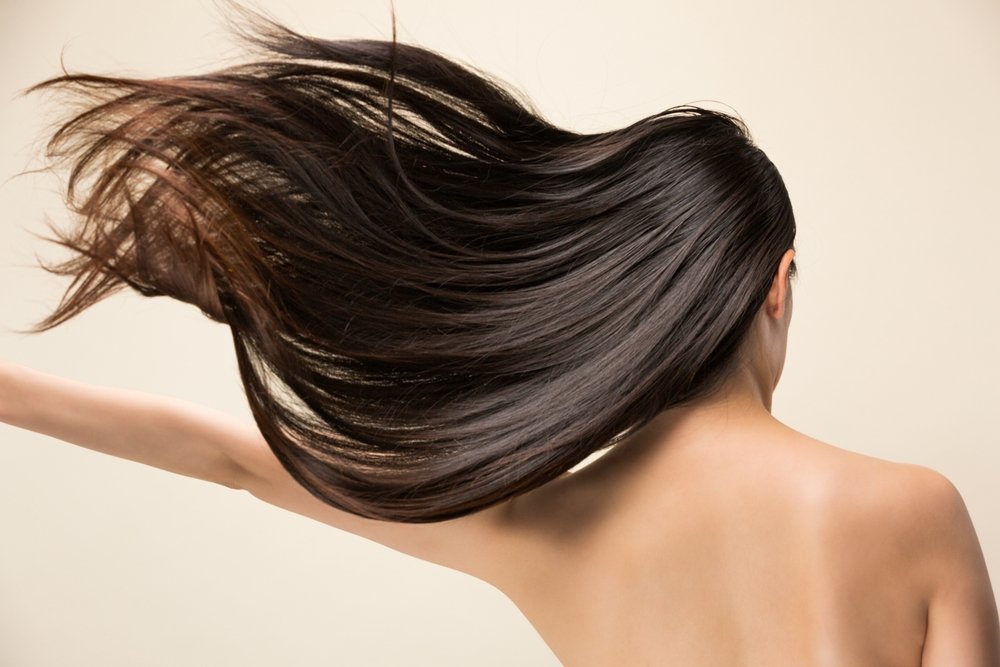
Use our checklist to spot the visible and tactile signs of healthy natural hair.
Healthy hair isn’t just about “silky straight.” True hair health goes deeper than appearance. But how do you know if your hair is healthy? A closer look and a quick touch test can reveal a lot about the real condition of your hair.
Checklist for Healthy Hair
Take a few minutes to go through this list:
Your strands can provide clues about whether they are receiving the necessary nourishment. The good news is you don’t have to be an expert to spot the symptoms of environmental damage, overprocessed, heat-damaged hair, or alternatively, of healthy hair.
Keep reading to learn what healthy hair looks like in real life.
10 Signs of Healthy Natural Hair
What are the signs of healthy hair? Here we share a more detailed description of what hair looks, feels, and behaves when healthy.
1. Natural Shine
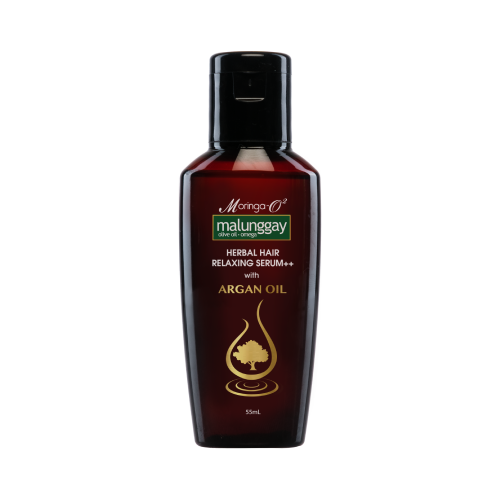
Healthy hair naturally reflects light. It looks glossy without needing heavy oils or sprays. Shine is a sign that your cuticles are lying flat and smooth, allowing light to bounce off your strands. Getting a little help from a nourishing serum wouldn’t hurt, but if your hair looks dull or matte without it, it may be a signal that it needs more moisture and gentle care.
2. Soft but Strong Texture
Run your fingers through your hair. Does it feel soft to the touch yet firm enough not to snap easily?
That balance of softness and strength is a hallmark of healthy hair. Brittle strands often indicate dryness or damage, while overly limp hair can mean a lack of essential nourishment.
3. Minimal Breakage
It’s normal to shed some hair daily, but frequent snapping or breakage is not a good sign. If you see short, uneven strands or a lot of breakage on your brush, your hair may be struggling. Healthy hair holds together well and resists breaking with gentle styling.
4. Consistent Color and Vibrancy
Even if your hair is colored, it should still appear rich and vibrant. Healthy strands have an even tone throughout, without looking washed out or overly faded.
Healthy, natural hair should look lively, not flat. It should have color depth, no matter your natural color, especially when you use nourishing products.

5. Manageable with Minimal Effort
If your hair falls into place easily, you’re in good shape. Healthy hair does not require hours of brushing or endless products to behave. It is cooperative when styling and doesn’t fight against you. That ease of management often signals balanced hydration and good cuticle health.
6. Elasticity When Stretched
Try this simple test. Gently pull on a single strand. If it stretches slightly and then returns to its original length without snapping, that’s a positive sign. This stretchiness, or elasticity, means your hair has enough moisture and protein to remain flexible.
7. Balanced Scalp Condition
Your scalp is the foundation of your hair. A healthy scalp feels comfortable, not overly dry or oily. When it is balanced, it provides the right environment for strong strands to grow and thrive.
Checking in with your scalp health and using products that nourish it are just as important as taking care of your strands.
8. Fullness and Bounce
Healthy hair has a natural body and bounce. It should not feel lifeless or flat against your head. Volume can be a sign that your strands are strong enough to hold shape, and that your scalp is in balance.
Yes, even fine hair types can appear full when healthy.
9. Smooth Ends
Split ends happen, but if you rarely see them, that’s a sign of healthy hair. Smooth tips show that your cuticles are well-protected. If the ends of your strands consistently look frayed or uneven, this may be a sign of heat or sun damage. It may be time to adjust your routine to fix sun-damaged hair.
10. Resilience Against Weather and Styling
Notice how your hair responds to humid days or after a blow-dry. Does it get frizzy? Does it hold its shape or does it return to normal after a few hours?
While no hair is totally immune to environmental stress, healthy strands tend to retain their natural shape better and recover more quickly. So, if yours don’t become frizzy easily or bounce back after styling, that is a mark of strength.
How to Support Your Hair’s Health
Healthy hair is the result of small, everyday choices. When you give your hair the care it deserves, the signs of health will show up in the mirror.
Using hair-strengthening shampoos, conditioning regularly, and nourishing your hair can go a long way. But choosing products with natural ingredients can make a world of difference. Build healthy hair habits and choose the right products and, over time, you’ll find yourself ticking off every box in our checklist.
Support your hair’s health and radiance with Moringa-O2.

Frequently Asked Questions
How often should I trim my hair to keep it healthy?
Every 8 to 12 weeks is ideal to prevent split ends and keep strands looking smooth.
Does diet affect hair health?
Yes. Eating foods rich in protein, vitamins, and healthy fats can support stronger and shinier hair.
Can over-washing damage my hair?
Yes. Washing too often can strip natural oils. Aim for 2 to 3 times a week, adjusting based on your hair type and lifestyle.