As a parent, you might be excited about how your baby will look once they’re out of the womb. You might imagine their chubby cheeks, small hands, and strong legs greeting you daily.
However, you might also wonder if your baby will have a full head of hair or barely any fuzz. It’s normal for babies to be born with and without hair. The lack or presence of fuzz on your newborn’s head shouldn’t be any cause for concern.
To help with your peace of mind, you should learn about the different stages of a baby’s hair growth. Understanding the cycle allows you to prepare for the unexpected and promote the hair growth of your baby.
Stages of Your Baby’s Hair Growth
Newborn
In the newborn stage, you might notice your baby’s hair is soft, fine, and silky, commonly known as lanugo. Lanugo is a type of hair that develops while your baby is still in the womb.
Its purpose is to help regulate temperature and protect your baby’s skin. Most babies shed this fine hair before birth, but some are born with some still on their head or body.

Infant Hair Loss
Around the 8- to 12-week mark, many babies experience a common phenomenon known as infant hair loss or telogen effluvium. This shedding can be slightly alarming at first, especially for first-time parents.
You might notice bald patches or thinning areas on your baby’s head during this time. However, you shouldn’t be concerned. This is simply a result of your baby’s hair shifting from its initial growth phase into a resting phase due to changes in hormone levels after birth.
You may also notice some hair loss due to friction, especially if your baby spends a lot of time lying on their back. Again, this is temporary, and in most cases, the hair will grow back.
Hair Regrowth Stage
After the shedding phase, your baby’s hair regrowth will kick in. Around 6 months to 1 year, you may start to see new hair sprouting, sometimes in a different texture or color than the original newborn hair. This new hair is typically stronger and more resilient.
By age two or three, your child’s hair growth pattern becomes more consistent and starts resembling their future hair type. This is a great time to start building a gentle and nourishing hair care routine to help their strands grow healthier and shinier.
How to Increase the Growth of Your Baby’s Hair
Although genetics plays a huge role in your baby’s hair growth, it doesn’t mean that you can’t do anything to help your child grow strong, healthy hair. There are various nurturing ways you can increase the growth of your baby’s hair, including the following:
Brush Their Scalp
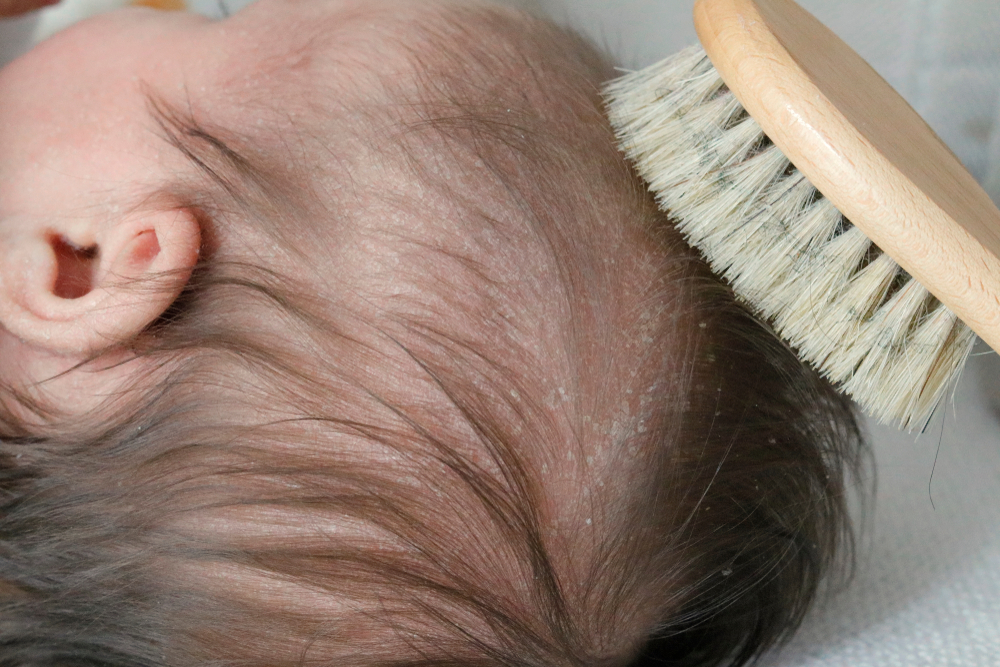
Brushing your baby’s scalp with a soft-bristled brush stimulates blood flow to the hair follicles, which can encourage healthier hair growth. This also helps distribute natural oils across the scalp and remove any flakes or debris caused by cradle cap on babies, creating a cleaner, more nourished environment for hair growth.
Just remember to be gentle. Their scalp is still very delicate.
Shampoo Regularly
Bath time is the perfect opportunity to cleanse your baby’s scalp and promote growth. Choose a mild, herbal shampoo designed for sensitive scalps. One of the best options is Moringa-O2’s Herbal Hairfall Shampoo, which is enriched with moringa, olive oil, and omega to gently cleanse while nourishing the roots.
This moringa shampoo is specially formulated to reduce hair fall and keep your baby’s scalp free of irritants and buildup. Regular shampooing (about 2-3 times a week) can keep their scalp healthy without over-drying.
Moisturize
After cleansing, it’s essential to lock in moisture to prevent dryness and flakiness. This step is especially important during the colder months, when your baby’s hair might be drier and sensitive than usual.
Apply a lightweight, baby-safe oil like Moringa-O2’s Moringa Hair Oil. This oil contains natural ingredients such as moringa, sunflower, and olive oils, which are rich in antioxidants, vitamins, and minerals that strengthen hair strands and promote growth.
Just a few drops massaged gently into the scalp can do wonders for hydration and nourishment. Doing it regularly might also help prevent your baby from developing skin dermatitis.
Detangle Their Hair
If your baby’s hair has longer strands, it’s essential to detangle it gently. After washing or moisturizing, use a wide-tooth comb or your fingers to remove any knots. Tugging or pulling at tangles can lead to breakage or discomfort.
Detangling their hair regularly also reduces the chances of matting and keeps their locks smooth and manageable.

Dry Gently
Never rub your baby’s head aggressively with a towel. Instead, pat their hair and scalp dry with a soft cotton towel or let it air dry naturally. Their hair is still fragile at this stage, so being rough can lead to unnecessary hair fall or damage. If needed, gently wrap their head with a soft towel and allow the moisture to absorb without pressure.
Feed a Balanced Diet
Your baby’s hair growth starts from within, and that means nutrition matters. As your baby starts eating solids, make sure their meals include a balance of proteins, iron, omega-3 fatty acids, and vitamins A, C, and E, which are essential for hair development.
Fruits, vegetables, lentils, and healthy fats contribute to strong, shiny hair. If you’re breastfeeding, maintaining a healthy diet yourself will also help pass on those nutrients to your baby.
Improve the Hair Growth of Your Baby
Your baby’s hair growth journey is as unique as they are. Whether your little one starts off bald or with a head full of curls, they’ll go through several natural phases before their actual hair type settles in. The key is to be patient, gentle, and supportive of their hair development from the start.
By understanding each stage and building a nurturing hair care routine—complete with brushing, moisturizing, and using baby-safe products like Moringa-O2’s Herbal Hairfall Shampoo and Herbal Hair Oil, you’re giving your child’s hair the best possible foundation for strength and shine.
So the next time you’re holding your baby close, take a moment to enjoy those soft strands. And know that with some care and love, their hair will flourish beautifully in its own time.