Babies are sensitive to changes in the environment, including temperatures. This is especially true when the weather gets colder.
In addition to shifts in their mood and sleep patterns, babies’ skin and hair can also react to temperature changes. Some can experience slight irritation or dryness, while others may deal with more serious conditions, such as skin dermatitis and cradle cap.
To address these problems, you should establish a baby hair care routine. This involves using gentle, moisturizing products that provide nourishment and hydration, even in harsher climates. Following these tips will also help you care for your baby’s hair when the weather gets colder.
Keep a Routine
Maintaining a consistent hair care routine is essential, especially during cold weather when the dry air can easily strip moisture from your baby’s scalp. Having a set routine helps your baby’s scalp and hair stay balanced, clean, and healthy.
Stick to a regular schedule for moisturizing, detangling, and gentle brushing. Even if your baby doesn’t have a full head of hair yet, it’s still important to learn how to care for their hair and scalp to prevent dryness, flaking, or irritation.
Don’t Overwash
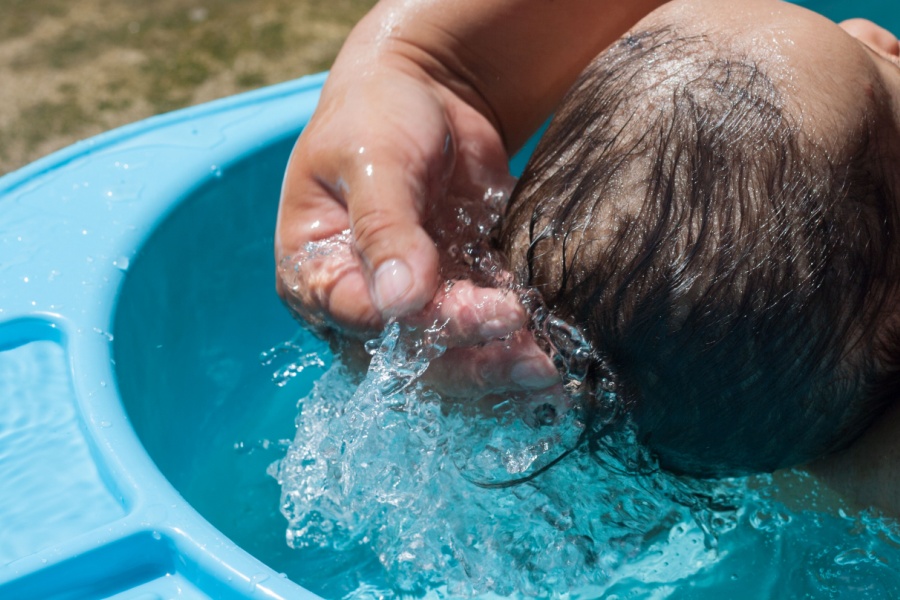
While keeping your baby clean is important, overwashing their hair in the colder months can actually do more harm than good. Frequent washing strips the scalp of its natural oils, leading to dryness and flakiness. During the colder months, it’s best to reduce hair washing to about once or twice a week.
When you do wash their hair, avoid using hot water, as it might irritate the scalp or damage your baby’s delicate hair. It’s also advisable to use gentle products, such as moringa shampoo, to cleanse your baby’s scalp and hair without irritating their skin. Make sure to rinse the shampoo thoroughly to prevent buildup and itchiness.
After bathing, gently pat the hair dry instead of rubbing it with a towel, which can cause breakage or frizz. Be extra careful, especially if your baby has textured or curly hair.
Moisturize Daily
Cold weather dries out everything, including your baby’s scalp and hair. Daily moisturizing can help prevent dryness, flaking, and discomfort.
After washing or during your baby’s daily grooming routine, apply a baby-safe moisturizer or natural oil such as coconut oil, shea butter, or almond oil. These provide nourishment without being too heavy. The key is to apply moisture when the hair is slightly damp. Doing so can seal in hydration and protect the scalp from cold, dry air.
Consider trying Moringa-O2’s herbal oil, which is formulated with natural and gentle ingredients. It contains a rare blend of moringa, olive, and omega oils and is suitable for all ages and hair types.
Use a Humidifier
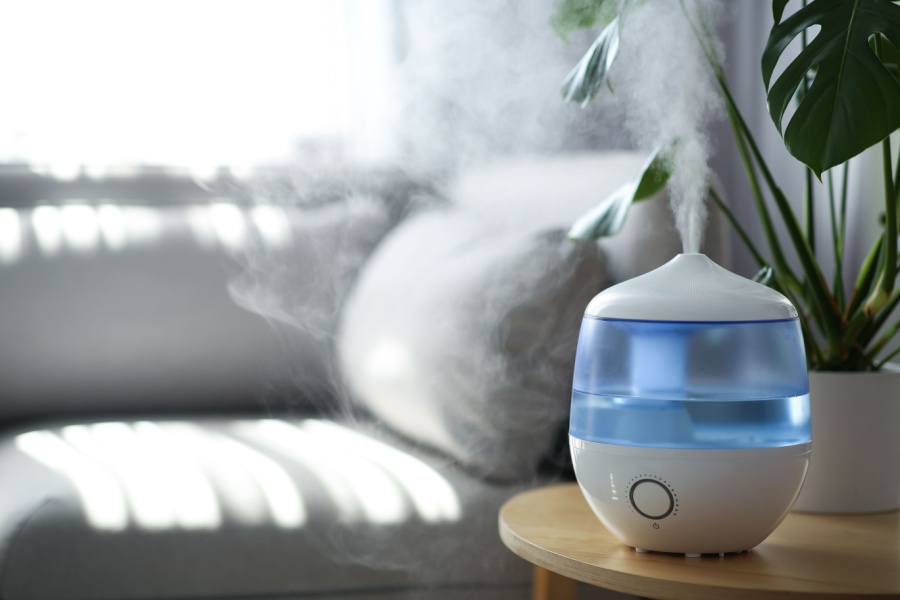
One of the easiest ways to maintain moisture in the air during the colder months is to use a humidifier. Adding humidity to the air can help combat dryness and keep your baby’s skin and scalp hydrated.
Place the humidifier in the room where your baby sleeps or spends most of their time. Make sure it’s cleaned regularly to avoid mold or bacteria buildup.
Choose Protective Hairstyles
For babies with longer or textured hair, protective hairstyles can help prevent breakage and retain moisture during cold weather. Styles like loose braids, puffs, or twists can reduce friction and tangling while shielding the hair from dry air. These styles also make daily maintenance easier and keep hair from drying out too quickly.
Always ensure the hairstyles are gentle—nothing too tight or pulling at the scalp. Use soft, snag-free bands or clips, and avoid any styles that require a lot of tension. If your baby is still very young or doesn’t have much hair yet, focus on keeping the scalp moisturized and their hair gently detangled. Simplicity is key at this stage.
Use Hats
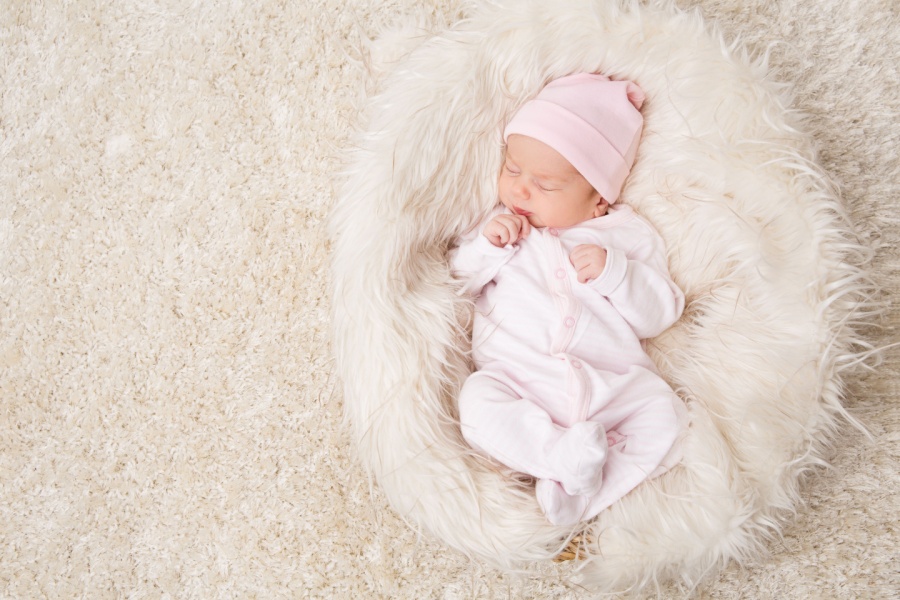
A soft, warm hat is necessary when taking your baby outside in the cold. It protects their head from chilly winds and keeps their body temperature regulated.
However, not all hats are created equal. Choose hats made from breathable, soft materials like cotton or fleece that won’t irritate the scalp or cause friction against the hair.
Avoid wool or synthetic fabrics, which can be itchy and drying. Also, be mindful not to leave a hat on indoors for too long, especially if it makes your baby sweat, which could lead to scalp irritation.
For added protection, consider lining the inside of your baby’s hat with a silk or satin scarf if they have curly or textured hair. This helps prevent frizz and breakage by reducing friction.
Take Care of Your Baby’s Hair and Scalp
Establishing a hair care routine for your baby starts with choosing the right products. The key is researching and ensuring the products you use are gentle and nourishing enough.
With Moringa-O2, you won’t have to worry about harsh chemicals that can damage your baby’s hair and scalp. Our products are made with natural ingredients rich in antioxidants, vitamins, and minerals. Each one contributes to making sure your baby’s hair and scalp remain healthy even during the colder months.