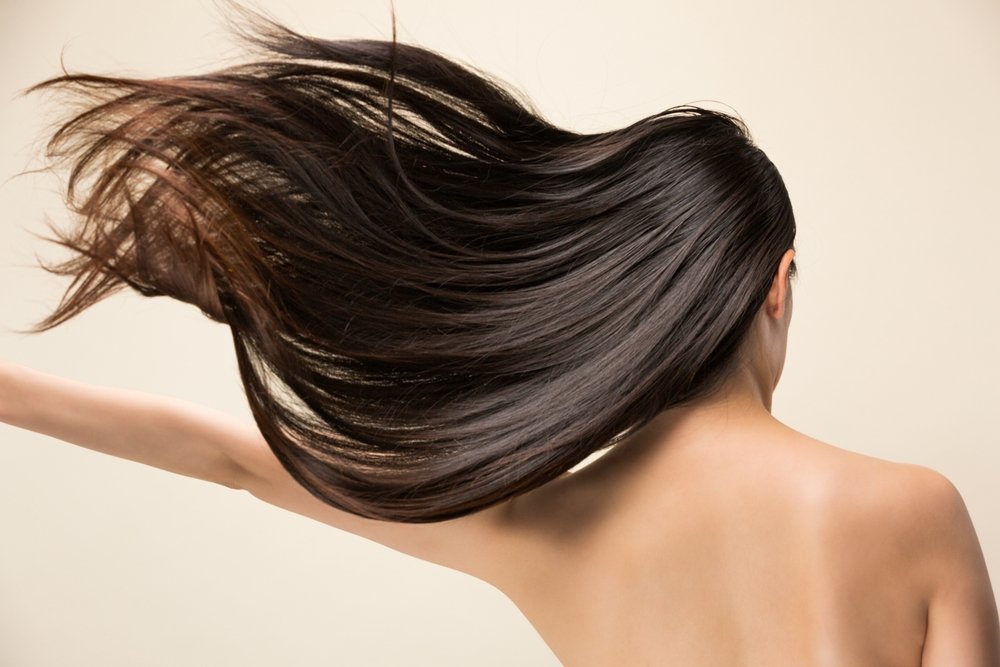
Hair loss is one of the most visible and emotionally challenging side effects of cancer treatment. For many women, especially those undergoing chemotherapy for breast cancer, losing hair feels like losing a part of their identity. After all, our hair is often tied to our confidence and femininity.
While hair loss during treatment is expected, it’s important to remember it’s temporary. Your hair, like your body, can recover. With gentle hair care products and lifestyle changes, you can keep your scalp healthy and help your hair grow back stronger than before.
This guide offers compassionate, science-backed advice to help you with hair care during chemo, and even after.
What Causes Chemotherapy Hair Loss?
Chemotherapy drugs work by attacking and eliminating rapidly multiplying cancer cells. Unfortunately, they also affect other fast-growing cells in your body—including the ones responsible for hair growth. This leads to a condition called chemotherapy-induced alopecia, in which hair falls out not only from the scalp but also from the eyebrows, eyelashes, and body hair.
Hair typically starts to thin or fall out two to four weeks after starting treatment. The extent of hair loss depends on the type of chemotherapy, dosage, and your individual response. Some patients experience gradual thinning, while others may lose all their hair within a short period.
While this process can be difficult emotionally, it’s a sign that your treatment is working to eliminate harmful cancer cells. And the good news? Hair follicles are resilient. Once your treatment ends, they can recover and regrow through gentle hair care.
When Does Hair Grow Back After Chemotherapy?
Hair regrowth usually begins three to six months after completing chemotherapy. At first, your new hair may feel soft and fuzzy—almost like baby hair. Its texture, color, or thickness may differ from your original hair, but this change is often temporary.
By the end of the year, many breast cancer survivors notice that their hair starts to regain its strength and natural shine. During this stage, gentle hair care and scalp care are key. Gentle products, such as a malunggay shampoo, proper hydration, and a nutrient-rich diet, can help speed up healthy regrowth.

Can Chemotherapy Hair Loss Be Prevented?
Unfortunately, there’s no guaranteed way to prevent hair loss during chemotherapy. However, there are ways to reduce its severity and protect your scalp during treatment.
Some hospitals offer scalp cooling therapy (also known as cold caps), which helps narrow the blood vessels in your scalp during chemotherapy, reducing the amount of medication that reaches your hair follicles. While it doesn’t work for everyone, some women find it helpful in minimizing hair loss.
What to Do With Your Hair Before Chemotherapy
Preparing your hair before treatment can make the transition easier, both physically and emotionally. Here are some steps you can incorporate into your gentle hair care routine:
1. Be Gentle With Your Hair
Before and during chemotherapy, it’s important to treat your hair as delicately as possible. Avoid harsh treatments like coloring, perming, or straightening. These can weaken your hair shafts and cause further breakage. Even frequent brushing or tying your hair too tightly can add to the strain.
Use a wide-tooth comb, pat your hair dry instead of rubbing it, and switch to a mild, sulfate-free shampoo that’s gentle on sensitive scalps. Avoid products containing parabens, silicones, or synthetic fragrances, as these shampoo ingredients can cause hair loss and irritate the skin.
2. Consider Cutting Your Hair Short
Getting a haircut before your treatment begins can make a big difference. Shorter hair tends to shed less noticeably and may help you adjust emotionally as your hair starts to fall out. A shorter style can also make your hair feel fuller and easier to manage as it begins to thin. Many cancer survivors also find that cutting their hair gives them a sense of control and empowerment before starting treatment.

3. Set Realistic Expectations
Every person’s experience with chemotherapy is unique. Talk to your doctor about what to expect based on your treatment plan. Some people experience gradual thinning, while others lose most of their hair. Understanding this beforehand allows you to prepare emotionally and practically. Accepting that hair loss is temporary can also help you focus on healing.
4. Prepare Headwear
Having scarves, hats, or wigs ready before hair loss begins can make the transition smoother. Doing this early lets you explore styles you’re comfortable with, rather than rushing later on. Soft cotton or bamboo fabrics are ideal for sensitive scalps, while lightweight wigs can help you maintain your preferred look.
5. Take Care of Your Scalp
Your scalp may become dry, sensitive, or itchy during treatment, so it’s crucial to keep it clean and hydrated. Use gentle, fragrance-free products and massage your scalp lightly with natural oils. Maintain a gentle scalp and hair care routine to create a healthy base for regrowth.
Hair Care Tips During Cancer Treatment
Your scalp becomes more sensitive during chemotherapy, so your regular haircare routine may need adjustments. Here are some practical ways to care for your hair and scalp gently:
1. Use a Mild, Sulfate-Free Shampoo
Choose a shampoo that’s gentle, soothing, and free from harsh chemicals. Products with natural ingredients like moringa, olive, and sunflower oils cleanse without stripping away moisture.
The Moringa-O2 Anti-Frizz Shampoo is a great option for cancer patients and survivors because it’s chemotherapy-safe, formulated to calm irritation and nourish sensitive scalps. Its moringa-rich blend supports hydration while helping keep your scalp healthy enough for hair regrowth.

2. Protect Your Scalp From the Sun
Chemotherapy can make your scalp more sensitive to UV rays. Apply sunscreen to your scalp or wear a hat when outdoors. Choose gentle, fragrance-free sunscreens designed for sensitive skin.
3. Use Silk or Satin Pillowcases
Cotton can cause friction, leading to hair breakage or scalp irritation. Switching to silk or satin pillowcases helps reduce friction and keeps your scalp comfortable while you sleep.
4. Consider Shaving Your Head
Some women choose to shave their heads once hair shedding begins. Doing so can help you regain a sense of control and comfort. It also prevents tangling or patchy hair loss, which can be distressing to manage.
5. Explore Head Coverings
Whether it’s a soft cotton beanie, scarf, or stylish wig, choose what feels best for you. Soft materials can protect your scalp from the sun, cold, and irritation while boosting your confidence.
Breast Cancer Hair Care is About Doing What Feels Right for You
There’s no right or wrong way to navigate hair loss during cancer treatment. Some women prefer to wear wigs to maintain their usual look. Others embrace scarves or turbans that express their style. Some choose to go completely bald.
Whatever you decide, the most important thing is to care for your scalp and keep it moisturized. As your treatment ends, your scalp becomes the foundation for new, healthy hair growth. Gentle hair care today means stronger, more vibrant hair tomorrow.
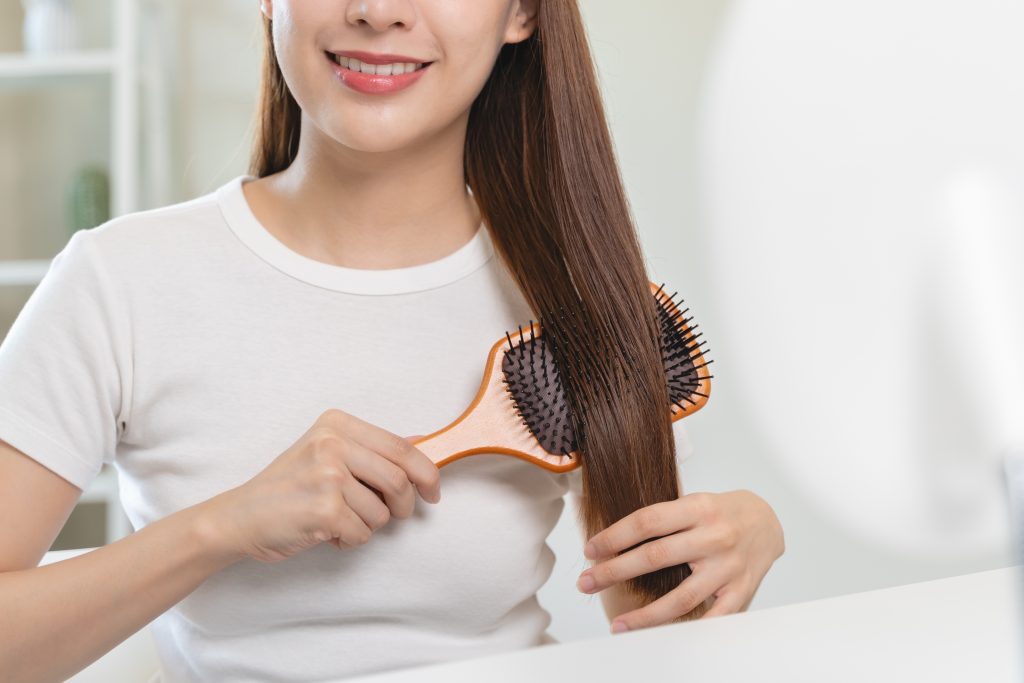
Your Partner in Your Recovery Journey
As your hair begins to grow back, nourish it with nature’s care and compassion. The Moringa-O2 Anti-Frizz Shampoo is specially formulated for sensitive scalps, making it an ideal companion during and after cancer treatment. Infused with moringa, olive, and sunflower oils, it gently cleanses, soothes irritation, and supports healthy regrowth.
Experience Moringa hair benefits for yourself. Every wash is a moment to nurture your body, rebuild your confidence, and celebrate your resilience. Your hair will bloom again!