Anyone who’s ever suffered from an itchy, irritated, or bumpy scalp knows that it can be a real pain—literally. And if you’re one of the many Filipinos who struggle with scalp problems, you’re probably all too familiar with the feeling.
An itchy scalp can be worse than uncomfortable if you don’t do something about it. But before moving to action, you have to understand what causes itchy scalp. See, an itchy scalp may be caused by different scalp and even medical conditions.

Learn More About the Causes of Itchy Scalp
An itchy scalp is a common condition that comes with symptoms such as irritation, itchiness, and dandruff. In more severe cases, it can cause scabbing, scaling, and flaking skin. And while it isn’t a condition that requires immediate medical attention, it can be a sign of something else, like eczema and psoriasis.
Here are some of the most common reasons for itchy scalp in most Pinoys:
Dandruff
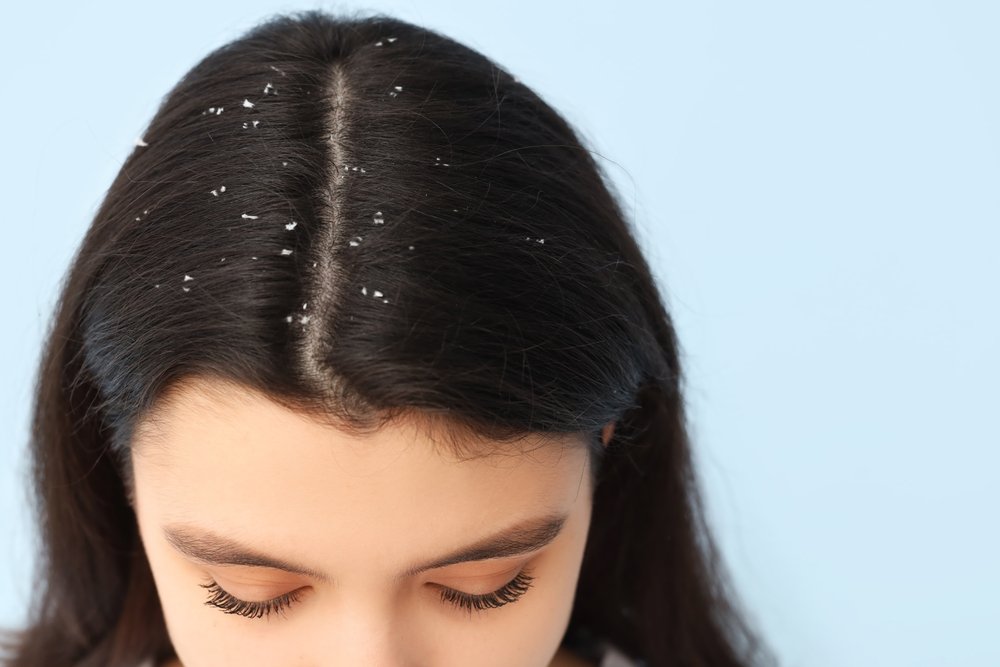
Among the usual causes of itchy scalp are the dreaded snowflakes on your shoulder known as dandruff. It causes white, oily flakes to fall from the scalp that stick to hair or fall to one’s shoulders, which can be embarrassing. The exact causes of dandruff are not well understood, but it’s known that it can be triggered by stress put on your immune system, causing an overproduction of skin cells on your scalp, making it dry and itchy.
Head Lice
Head lice are tiny, wingless insects that live and feed on human blood. They attach their eggs, known as nits, to hair shafts, causing irritation and itching. This itching can be quite severe, often leading to scratching and scratching-induced scalp sores.
Let’s clear two most common misconceptions about head lice: they’re not caused by poor hygiene, and they do not cause illnesses. Anyone can catch them, but these tiny insects are most often caught by children in preschool or elementary schools.
The spread of head lice is often through close head-to-head contact, making schools and daycare centers particularly susceptible to outbreaks. Early detection and treatment are essential to prevent the spread of lice and alleviate the discomfort associated with an itchy scalp.
Reaction to Hair Products
Sometimes, the products you use to keep your hair looking its best could be doing more harm than good. Hair dyes, shampoos, conditioners, or styling products might contain harsh chemicals like sulfates, parabens, or fragrances that irritate your skin and cause itchy scalp.
If your scalp starts itching after trying a new product, it could be an allergic reaction or irritation from one of the ingredients. To avoid this, always do a patch test before using new products, and look for gentler, sulfate-free, or hypoallergenic alternatives.
Acne
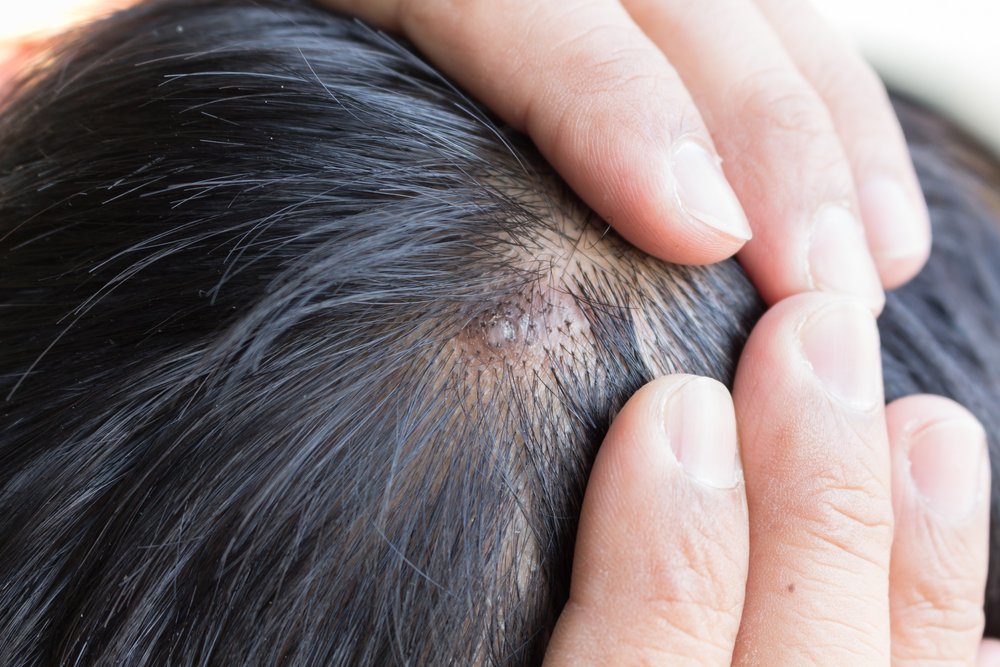
While acne is typically associated with your face or back, it can also develop on your scalp. Scalp acne happens when hair follicles get clogged with oil, dead skin, or bacteria. This can result in red, itchy bumps that are often uncomfortable. To manage scalp acne, look for shampoos with natural ingredients, like the Moringa-O2 Shampoo and Conditioner, as these can help clear clogged pores and reduce irritation.
Hives
Hives, or urticaria, can also be a culprit when it comes to scalp itching. These raised, red welts are often triggered by an allergic reaction, stress, or certain medications. Hives can pop up anywhere on your body, including your scalp, causing itchiness and discomfort.
If you notice hives along with your itchy scalp, it’s important to identify the trigger—whether it’s food, an environmental factor, or something else—and avoid it to prevent future outbreaks. Antihistamines can help relieve symptoms.
Stress
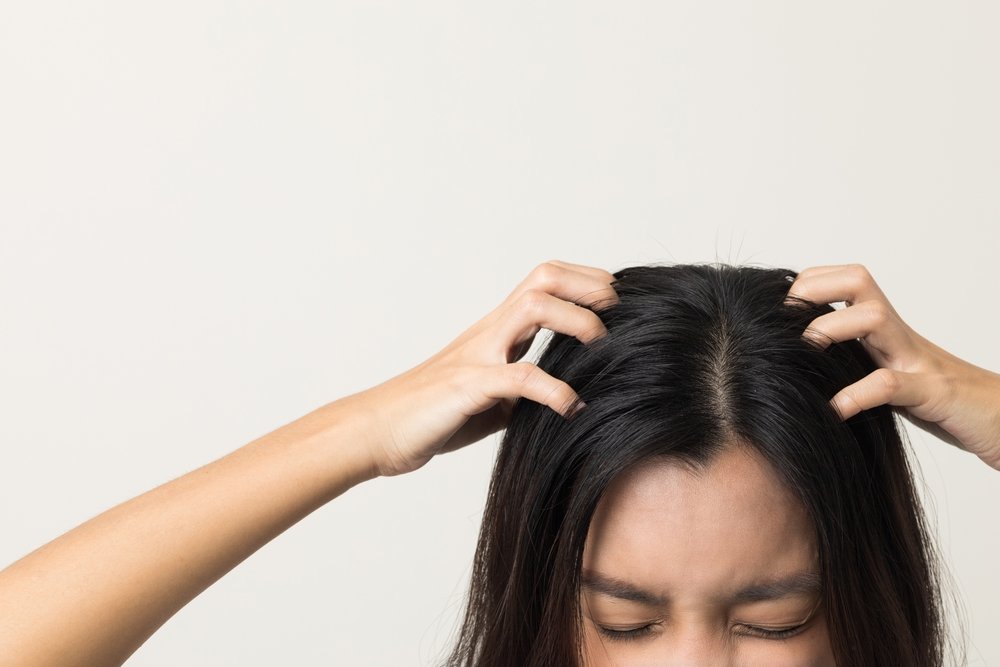
Stress can manifest in various ways, including physical symptoms like an itchy scalp. When under chronic stress, the body’s immune system can become compromised, leading to increased sensitivity and inflammation. This can result in a dry, irritated scalp that feels itchy and uncomfortable.
Additionally, stress-related behaviors like excessive scratching or hair pulling can further aggravate the scalp and worsen the itching. To manage stress-induced scalp itch, consider relaxation techniques like deep breathing, meditation, or yoga, and consult with a healthcare professional for personalized advice.
Sunburn
Sunburns can extend beyond the face and neck, often affecting the scalp and causing it to become itchy. When exposed to excessive UV radiation, the scalp’s skin can become inflamed and irritated, leading to itching, redness, and sometimes even flaking. This discomfort can be exacerbated by scratching, which can further damage the skin and increase the risk of infection.
If you notice a sunburn on your scalp, it’s important to take steps to soothe the affected area and prevent further irritation. However, if the sunburn is severe or accompanied by other symptoms such as fever, chills, or blisters, you should seek medical attention.

Seborrheic Dermatitis
This condition is characterized by the overproduction of sebum, or oil, on the skin. This type of dermatitis is the result of the overproduction of sebum by the sebaceous glands in areas of the body, such as the scalp, where there is a high concentration of the oil glands. When these glands are inflamed, you are likely to experience the following symptoms:
- Itchiness
- Irritation
- Flaking
- Red skin or scalp
- White to yellowish patches of scaling
There are no direct and identifiable causes for seborrheic dermatitis, but it can be caused by any of the following factors:
- Overgrowth of yeast
- Weather changes
- Hormonal changes
- Stress, anxiety, or depression
Eczema
Another reason why you have an itchy scalp is eczema, a common skin condition, caused by an overactive immune system that triggers inflammation. This inflammation leads to various uncomfortable symptoms, including:
- Intense itching: This sensation can be so severe that it disrupts sleep and daily activities.
- Dry, cracked skin: The skin often becomes rough, scaly, and prone to cracking, especially in areas like the elbows, knees, and wrists.
- Redness and inflammation: The affected areas may appear red, swollen, and irritated, sometimes with visible bumps or blisters.
- Crusting or scaling: In more severe cases, the skin may develop crusts or scales, which can be both unsightly and painful.
Eczema can significantly impact your quality of life, causing discomfort, embarrassment, and even infections. While there’s no cure for eczema, effective management strategies can help alleviate symptoms and improve overall well-being.

Psoriasis
Much like eczema, psoriasis is an autoimmune disease that affects the skin. It’s characterized by raised and usually round, scaly, and silvery patches of skin that turn red and itchy. It can appear on the scalp, the back of the neck, and ears, causing dandruff, dry scalp, and itching.
Medical experts believe that scalp psoriasis is hereditary but can also be triggered by environmental factors. Just like eczema or other skin dermatitis conditions, it is not contagious.
Tinea Capitis (Scalp Ringworm)
Tinea capitis is not caused by worms, but by a fungal infection that affects the scalp. It extends deep into the hair follicle, resulting in round patches of hair loss that can increase in size over time. You may get raised, bumpy rashes that have black spots or a stubbly appearance.
Fungal infections can cause hair follicle inflammation and damage, which can lead to hair loss. Scratching can also injure hair follicles, so make sure to avoid doing so!
Scabies
Scabies is a less common but serious cause of scalp itching. Caused by tiny mites that burrow into the skin, scabies can lead to intense itching, particularly at night. Although scabies tends to affect other parts of your body, like your hands and wrists, it can also spread to your scalp. The condition is contagious and requires medical treatment with prescription lotions or creams to kill the mites and stop the itching.
Enjoy an Itch-Free Scalp
The first step to battling an itchy scalp is knowing about what causes it. Now that you know the most common reasons for itchy scalp in Pinoys, it’s time to be more proactive in solving your problem and addressing its root cause!