You’ve probably heard people talk about the hormone change after birth, but no one really warns you about how it can affect your hair. For many new moms, the months following childbirth come with surprises, and one of them is hair shedding.
If you’ve noticed more strands falling out in the shower or while brushing, don’t panic. You’re not alone. This is a common and temporary phase known as postpartum hair loss, and it all ties back to what your hormones are doing after pregnancy.
Let’s take a closer look at what’s happening inside your body, why your hair behaves this way, and how you can gently nurture it back to health.
Understanding the Hormonal Changes After Birth
During pregnancy, your body is flooded with higher levels of estrogen and progesterone. These hormones help keep your hair thick and shiny, extending the growth phase of the hair cycle. That’s why many pregnant women notice that their hair feels fuller and healthier.
But after you give birth, these hormone levels drop drastically. Estrogen and progesterone return to their pre-pregnancy levels within a few days or weeks, and that sudden change triggers a shift in your hair’s natural rhythm. This is how hormonal changes affect hair — by shortening its growth phase and pushing more strands into the shedding stage.
According to the American Academy of Dermatology (AAD), this condition is known as telogen effluvium, a temporary type of hair loss caused by hormonal changes, stress, or physical strain. In postpartum women, it’s particularly common around three to four months after birth, when the body’s estrogen levels are at their lowest.
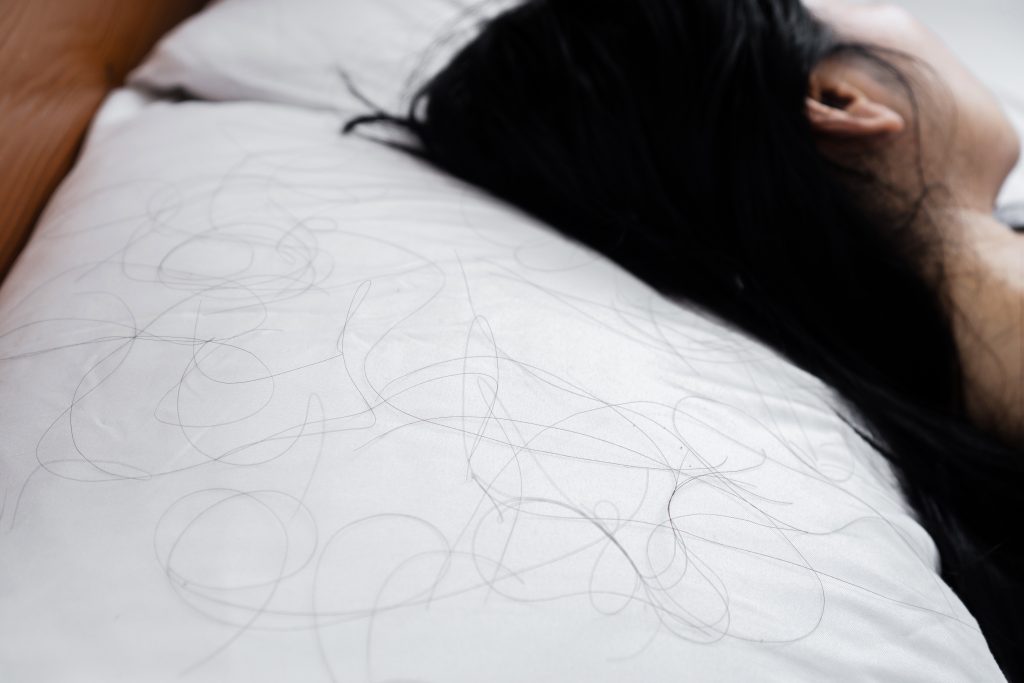
Instead of losing 50 to 100 hairs per day, as is normal, you might suddenly shed up to 300 strands daily. This can feel alarming, especially when you’re already juggling sleepless nights, breastfeeding, and recovery, but it’s completely normal and reversible.
Why Hormonal Changes Trigger Hair Loss
To understand hormonal changes, it helps to look at your hair’s natural growth cycle. Each strand goes through three main stages:
- Anagen (growth phase): This is when your hair is actively growing, which can last anywhere from two to six years
- Catagen (transition phase): During this short phase, hair growth pauses as the strand detaches from its blood supply and prepares to rest
- Telogen (resting/shedding phase): In this stage, old hairs naturally fall out to give way to new ones growing beneath the scalp
During pregnancy, most of your hair stays in the anagen phase longer due to high levels of estrogen. After delivery, a sudden hormonal drop causes many strands to enter the telogen phase simultaneously, leading to noticeable shedding.
Hormonal changes can also affect the scalp’s oil balance and blood flow, making hair more brittle or prone to breakage. Add to that the stress, lack of sleep, and nutrient depletion that often come with new motherhood, and your hair can understandably struggle to bounce back.
The American Pregnancy Association reported that around 40 to 50% of women experience postpartum hair loss, with recovery typically taking six to twelve months. The good news? Hair follicles remain healthy, and the hair will grow back once the body’s hormones stabilize.
Does Breastfeeding Affect Hair Loss?
One common question new moms ask is: Does breastfeeding cause hair loss?
The short answer is no. Breastfeeding itself doesn’t cause hair fall, but it can influence your hormone levels and nutrient reserves. Since lactation requires extra energy and nutrients, your body may prioritize milk production over hair growth. That’s why eating a balanced diet rich in protein, iron, zinc, and vitamins is key.
5 Tips on Regrowing Your Hair After Pregnancy
Once you understand what’s happening, the next question becomes: how to regrow hair after pregnancy naturally? Here are some holistic habits you can practice:
1. Be Gentle With Your Hair
Your scalp is more sensitive during this phase, so skip tight ponytails, harsh brushing, and heavy styling products. Avoid heat treatments for now.
If you often style or straighten your hair, choose a straightening hair shampoo like Moringa-O2’s Herbal Anti-Frizz Shampoo with Argan Oil to keep hair smooth and manageable without adding stress to your strands.

2. Choose a Nourishing, Herbal-Based Shampoo
Many commercial shampoos contain sulfates and silicones that can strip your scalp of its natural oils. During a hormonal transition, opt for a gentle, botanical shampoo that restores nutrients and moisture.
Herbal hair care products enriched with moringa, olive, and sunflower oils, packed with antioxidants, vitamins, and omega fatty acids, can help calm your scalp and strengthen roots naturally.
3. Feed Your Hair From Within
Healthy hair starts with proper nutrition. Load up on leafy greens, eggs, fish, and nuts — all excellent sources of biotin, vitamin D, and iron.
You can also explore vitamins for hair growth to supplement your diet, especially if you’re dealing with nutrient loss after pregnancy.
4. Massage Your Scalp Regularly
A daily scalp massage improves blood flow and helps deliver nutrients to your hair follicles. Use your fingertips or a few drops of nourishing oil to stimulate growth while relaxing your body. It’s a small act of self-care that goes a long way in restoring your confidence.
5. Manage Stress and Get Rest
Easier said than done, but stress can slow down hair regrowth. Try light exercises like walking, yoga, or meditation once your doctor gives the go-signal. Even just a few minutes of quiet time daily can help balance your hormones and support hair recovery.
But if your hair loss persists for more than a year or if you notice bald patches or severe thinning, it’s best to consult a dermatologist. Persistent shedding might be linked to thyroid imbalances or nutritional deficiencies, which can be addressed with proper care and medication.
Remember, your hair will eventually recover. Each new strand growing in is a sign that your body is healing and finding its rhythm again.

Reclaim Your Hair’s Strength Today
Motherhood changes everything — including your hair. While hormonal changes and hair loss can feel discouraging, it’s important to remember that this phase is temporary. Your body has just done something incredible, and your hair is simply catching up.
Start rebuilding your hair’s health with gentle, nutrient-rich care. Use Moringa-O2’s herbal-based products made with olive and sunflower oils to soothe your scalp, reduce breakage, and encourage regrowth.
Stay consistent, rest when you can, and nourish yourself inside and out. With patience and self-care, the hormone change after birth becomes just another chapter, and your hair can emerge stronger, shinier, and full of life.