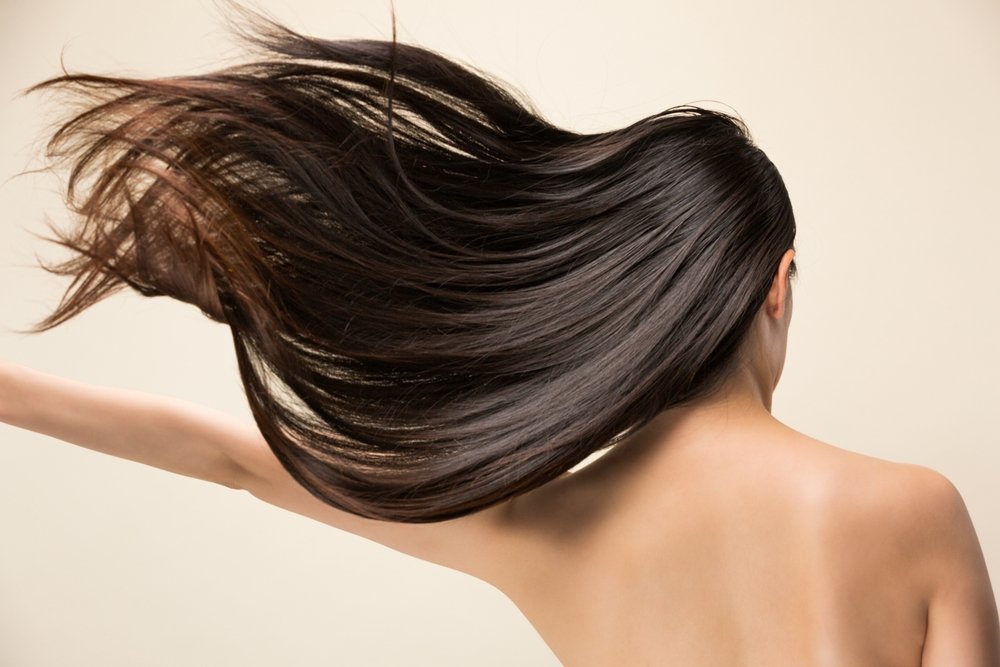
Losing your hair to alopecia can feel discouraging, but it is not the end of your story. Many people with alopecia are still able to regrow their hair. The secret? Combine medical treatment with healthy routines, such as supportive scalp care. Regaining hair takes time and patience, but with the right steps, it is possible to restore both your strands and your self-confidence.
Here are practical tips on how to regrow your hair.
Regrow Hair the Natural Way
When it comes to alopecia hair growth, the journey often starts with going back to basics—focusing on natural hair and scalp health. By embracing these foundational steps, you’re giving your hair the best chance to regrow naturally.
1. Natural Hair Care Products
Harsh shampoos with sulfates and synthetic fragrances can irritate the scalp and weaken already fragile hair. Choosing natural formulations helps avoid this. Herbal products enriched with plant-based oils provide gentle cleansing while nourishing the scalp.
Moringa-O2 Herbal Hairfall Shampoo with Argan Oil is an excellent option. It combines moringa, olive, sunflower, and argan oils to reduce breakage, restore moisture, and promote scalp health. Use this product in your recovery journey to get the best results.

2. Rosemary Oil
Rosemary oil has gained attention for its ability to stimulate blood circulation in the scalp, which supports healthier follicles. Some studies suggest it may be as effective as certain medicated treatments in promoting hair growth.
Dilute a few drops in a carrier oil and massage gently into your scalp a few times a week. This simple habit can help stimulate hair growth in people with alopecia.
3. Aloe Vera
Aloe vera is best known for soothing irritated skin, but it can also calm an inflamed scalp. Its cooling properties reduce itchiness and dryness while creating an environment where hair follicles can recover. Aloe vera gel may also help remove excess sebum and residue that clog follicles.
Prioritize Self-Care
Self-care plays a crucial role in promoting hair growth for alopecia areata and other types of alopecia. Taking care of your overall well-being through holistic self-care practices helps create the right conditions for hair to grow back stronger.
1. Proper Nutrition
Healthy hair starts from within. A diet rich in protein, iron, vitamin D, and zinc provides the building blocks for stronger strands. Include foods like eggs, fish, nuts, leafy greens, and beans in your daily meals. Don’t forget to drink plenty of water to keep your scalp hydrated.
2. Scalp Massage
Beyond their physical benefits, scalp massages also ease tension. Stress is a known trigger for hair fall, so combining massage with relaxation practices creates a double benefit: you improve circulation while calming the body’s stress response.
3. Stress Management
Chronic stress is among the causes of alopecia and hinders hair regrowth. Stress hormones can push follicles into the shedding phase and prevent them from growing again.
Minimize Hair Styling
Styling our hair can be a fun way to express ourselves, but when dealing with alopecia, it’s important to be gentler with our styling choices. Excessive styling and harsh treatments can put extra stress on already fragile hair, making it harder for your scalp to recover and grow new hair. Giving your hair a break from tight styles, heat, and heavy products allows your scalp to “breathe” and heal naturally.
1. Heat Use
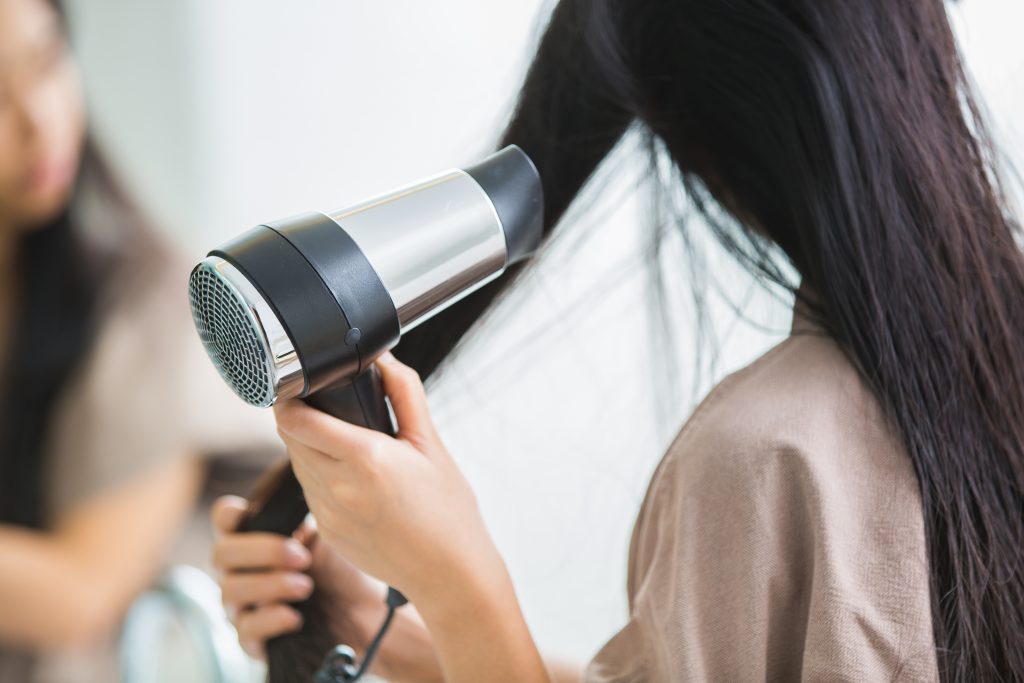
High heat from blow dryers, straighteners, or curling irons weakens the hair shaft and increases breakage. If you are trying to regrow hair, limit heat styling as much as possible.
2. Air-Drying
Allowing your hair to air-dry protects fragile strands from unnecessary stress. Pat your hair gently with a towel instead of rubbing, then let it air-dry to keep it strong.
3. Chemical Treatments
Chemical processes, such as bleaching, dyeing, or relaxing, put significant strain on both the hair and the scalp. They weaken the structure of the hair shaft and may irritate follicles. It’s best to avoid these treatments while dealing with alopecia. Focus on nurturing the scalp and protecting new growth instead of adding extra damage.
Restore Your Hair and Confidence
If you’re asking how to promote hair growth despite having alopecia, there’s still hope! Alopecia can challenge your sense of self, but remember that hair loss is not permanent for everyone. Many people experience regrowth when they combine healthy lifestyle habits with proper scalp care.
This is why choosing the right hair care products matters. Hair regrowth starts with what you do at home and your daily routine. One of the reasons that make moringa an effective shampoo for hair loss is its special formulation with natural oils in the Moringa-O2 Anti-Hair Fall Shampoo, which helps reduce breakage and nourish hair from root to tip.
An essential part of how to stimulate hair growth in alopecia areata is creating the right environment for hair recovery. By following these tips with patience and consistency, you are closer to restoring both your hair and your confidence!