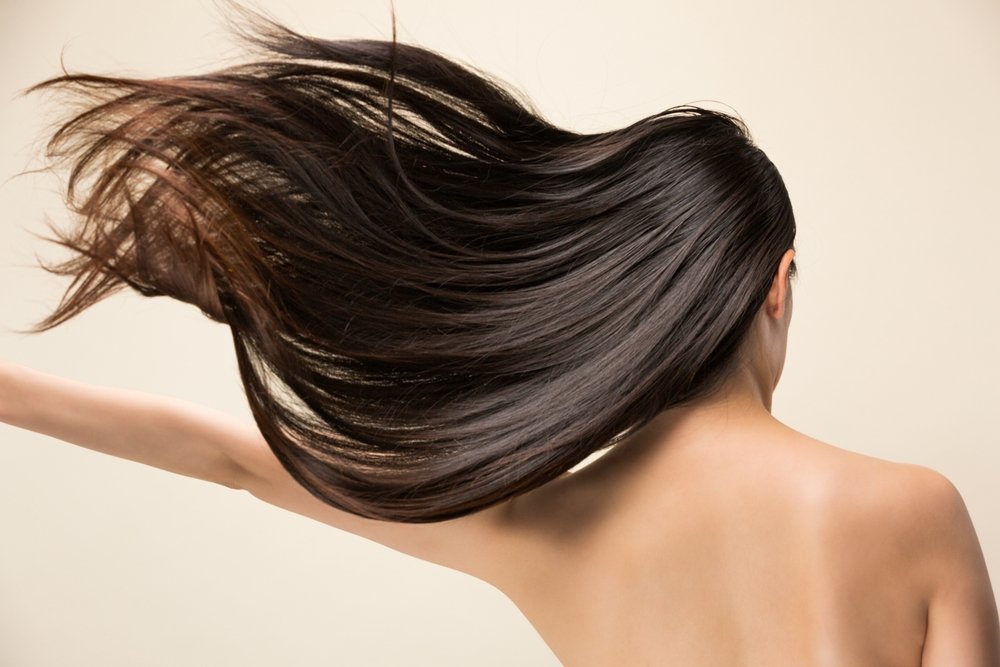
Heat styling weakens hair by stripping moisture and damaging cuticles, but with proper care and Moringa-O2, you can repair and restore hair health.
Key Takeaways
- Heat styling tools strip natural oils, causing damage like split ends, frizz, and dryness that weaken hair over time.
- Early signs of heat damage include dullness, hair fall, and tangles, which worsen without timely care and nourishment.
- The best way to combat and repair heat damage is to restore moisture and nourishment in your hair.
From sleek straightening sessions to bouncy curls, heat styling tools have become a staple in many hair routines. Blow dryers, curling irons, and flat irons can help you achieve salon-worthy looks at home. But over time, too much heat can leave behind a trail of damage. Heat-damaged hair doesn’t just lose its shine—it becomes weaker, more prone to breakage, and harder to manage.
In this guide, we’ll walk you through the visible and tactile signs of hair damage caused by heat, explain why it happens, and what you can do to help restore your hair’s strength and vitality.
Why is Heat Bad for Your Hair?
Hair strands are made of keratin proteins and a protective cuticle layer. Heat styling tools strip away the natural moisture from this layer, making hair more porous and fragile. Frequent exposure to high temperatures causes:
- Weakening of the cuticle, making strands prone to breakage.
- Loss of natural oils, leading to dryness and brittleness.
- Protein damage that makes hair dull and lifeless.
In simple terms: the more heat you apply, the faster your hair loses its natural defenses.

What Does Damaged Hair Look Like?
Damaged hair can easily be spotted. If your locks look unhealthy, they have probably been through some damage. Here are the most common signs of heat-damaged hair:
Split Ends
Split ends show up as frayed, forked, or feathered tips at the bottom of your hair. They make your strands feel brittle and cause the ends to snap easily when brushed. Over time, untreated split ends can travel up the hair shaft, making hair look messy and uneven.
They usually happen because of frequent heat styling, such as ironing, curling, or blow-drying at high temperatures. A lack of regular trims and exposure to external stressors like sun, pollution, and chemicals also contribute to their formation, which is why it’s also essential to know how to care for sun damaged hair.
Test for split ends:
Wrap a small section of your hair around your finger or a brush. If you see tiny, uneven strands poking out, you probably have split ends.
How to repair:
Split ends can’t be permanently “fixed” once they appear, but regular trims can prevent them from traveling higher up the shaft.
Deep-conditioning treatments can smooth the cuticle, reduce fraying, and keep strands nourished.
Hair Fall
Hair fall becomes noticeable when you see clumps of hair on your brush, pillow, or shower drain. Over time, you may notice that your scalp feels less dense or that certain areas appear thinner than before.
This problem is often caused by heat stress that weakens roots, but it can also result from styling mistakes like brushing too aggressively or wearing very tight hairstyles. Nutritional deficiencies and hormonal changes may also worsen hair fall.
Test for hair fall:
Pay attention to the amount of hair you lose daily. Shedding around 100–200 strands is normal, but losing more than that, especially after heat styling or a botched hair coloring treatment, could signal damage.
How to repair:
Switch to a mild, nutrient-rich shampoo like our damage repair shampoo, which strengthens hair from root to tip with moringa, olive, and sunflower extracts.

Scalp massages with a nourishing hair oil can also stimulate circulation and support stronger hair growth.
However, if treatments are not working, consider having your health checked for nutritional deficiencies or hormonal imbalance.
Breakage
Breakage looks like short, uneven strands sticking out along the hair shaft. Unlike hair fall, where the entire strand comes out from the root, breakage leaves jagged pieces behind that become flyaways.
The main cause of breakage is frequent heat styling, which weakens the cuticle layer and makes hair fragile. Overuse of chemical treatments and insufficient moisture also contribute to brittle, break-prone strands.
Test for breakage:
Take a strand of hair and pull it gently. If it breaks rather than stretches, it’s a sign of weakened hair. Healthy hair should have some elasticity.
How to repair:
Repairing breakage starts with hydration. Use gentle shampoos that don’t strip the hair of its natural oils; complement it with a nourishing conditioner to replenish lost moisture and apply leave-in treatments before heat styling.
Equally important is to limit the use of hot tools and other chemical treatments.
Dullness
One of the more subtle damaged hair signs is dull hair. Natural hair should appear glossy and smooth. In contrast, dull hair doesn’t have its natural shine and looks lifeless, even under bright light. It may look flat, faded, and unhealthy.
This lack of luster happens when heat exposure roughens the cuticle, preventing light from reflecting off the hair’s surface. Overuse of dye, bleach, and styling products can also create buildup that blocks natural shine.
Test for dullness:
Compare your strands under natural light. If they look flat and grayish rather than shiny, your hair has lost luster.
How to repair:
Restoring moisture and nutrients to the hair can help restore your hair’s natural shine. Choose hydrating formulas for your shampoo, conditioner, treatments, and serum.
Dryness
Dry hair feels rough, straw-like, and brittle to the touch. In some cases, your scalp may also become itchy and flaky because of lost natural oils.
Heat styling and extreme UV exposure strips the hair of moisture, leaving it dry. However, over-washing with harsh shampoos can also worsen the problem.
Test for dryness:
Take a small section of your hair and drop it into a container of water. Healthy hair will usually float whereas dry, damaged hair is porous and will definitely sink and absorb the water.
How to repair:
Switch to hydrating shampoos and conditioners that use herbal ingredients to help restore your hair’s moisture. Follow up with oil treatments to lock in hydration and rebuild softness.
Consider protecting your hair from other environmental stressors, as well.
Frizziness
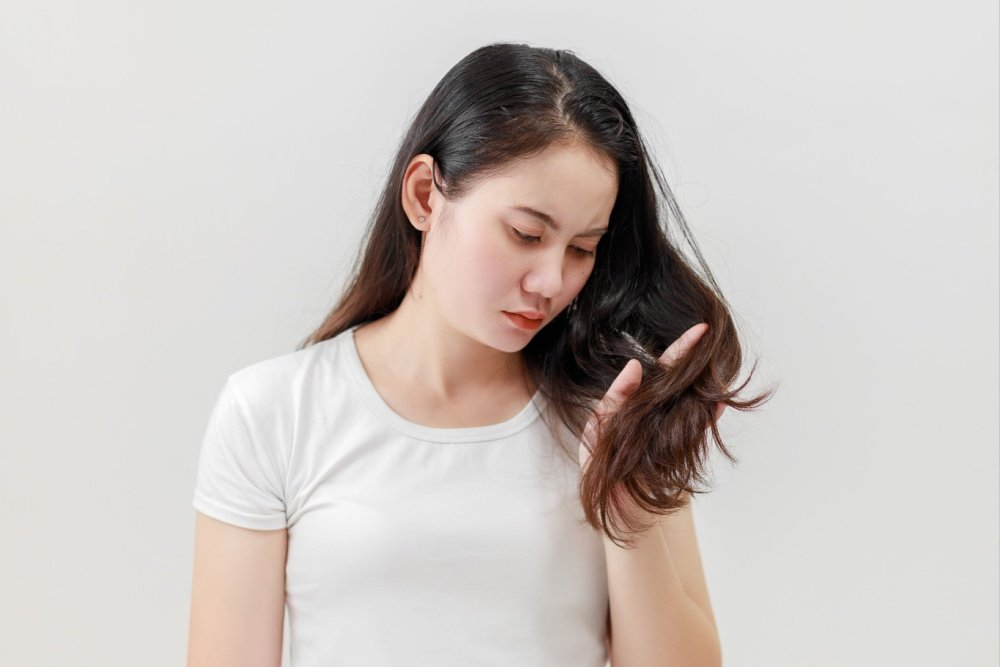
Frizz appears when hair strands stand out in different directions, giving your hair a puffy, unmanageable texture.
In the Philippines, we usually blame the humid weather, and while it does contribute, frizz is ultimately a sign of damaged hair. It happens when the cuticle is lifted or damaged due to frequent use of heat and chemicals. Without a smooth cuticle layer, hair absorbs excess moisture from the environment, leading to frizz.
Test for frizz:
Run your hand down your hair. If it feels rough and uneven instead of smooth, frizz is likely due to heat damage.
How to repair:
Focus on bringing moisture back to your hair with hair oils or serums. Avoid using shampoos with harsh ingredients. Then, protect your hair, especially if you plan on styling it, with nourishing serum.
Knots and Tangles
Knots and tangles make hair clump together, making brushing painful and time-consuming.
Hair becomes prone to knots and tangles when you have dry, rough cuticles that catch onto one another. Heat styling and chemical treatments weaken the hair structure, making tangles more frequent.
Test for tangles:
Occasional knots and tangles are normal. However, if your hair tangles right after conditioning and combing, it’s a sign of underlying damage.
How to repair:
Continue using nourishing and moisturizing haircare products. In addition to our herbal conditioners, apply Moringa-O2 Hair Serum with Argan Oil to to add slip, making it easier to comb through without breakage.

Incorrect Hair Color
Incorrect or faded hair color appears when dyed hair loses its vibrancy too quickly, turning brassy or uneven. In some cases, the hair simply refuses to hold the color.
This may be happening because your hair has become too porous from heat styling or chemical overprocessing. Your hair cuticles have become damaged and open, so your hair either absorbs too much hair dye, making colors appear too dark, or dyes fade faster.
Test for color damage:
You’ll know that your hair is damaged if your hair dyes fade within days instead of weeks.
How to repair:
Restore your hair’s health with nourishing shampoos and conditioners.
Limit heat styling after coloring. Use Moringa-O2 Shampoo for Color-Treated Hair to protect pigments while keeping hair strong.
How to be Free From Heat Damage?
Learning to spot the signs of heat-damaged hair is the first step toward recovery. From split ends and breakage to dullness and frizz, these symptoms all point to weakened strands in need of extra care.
The key is prevention and consistent nourishment: protect each strand against excessive heat and harsh chemicals, get regular trims to prevent split ends, and use low-ammonia dyes if coloring your hair. Always shampoo before conditioning to clear away dirt and oil for better absorption.
For everyday strength and resilience, turn to Moringa-O2. Our herbal shampoos are enriched with vitamins A, C, D, E, B-complex, omega fatty acids, and minerals, it provides complete hair and scalp care. Paired with Moringa-O2’s conditioners and therapy oils, you get a holistic system that repairs damage, restores shine, and protects against future stress.
With the right care, your hair can bounce back stronger, healthier, and free from the telltale signs of heat damage.

Frequently Asked Questions
1. How often should I use heat styling tools to avoid hair damage?
Limit heat styling to two to three times per week and always use a heat protectant to minimize long-term damage.
2. Can heat-damaged hair repair itself without cutting it
Hair cannot completely heal once damaged, but nourishing treatments like Moringa-O2 can strengthen strands and reduce the appearance of damage.
3. What temperature is safe for flat irons and curling irons?
Keep styling tools below 180°C (356°F) to prevent excessive cuticle damage, especially if your hair is fine or color-treated.